I FOUND A PROBLEM
Something should work better.
Bad product. Wasted motion. Ridiculous wait. Broken process. Tell W what happened and what better would look like. You do not need to invent the fix.
Talk to WMaking America Better, One Idea at a Time.
See something that wastes time, money, material, or patience? Tell us the problem. When it fits, we look for evidence, challenge possible fixes on paper, and if an idea survives, we look for the right people to engineer, test, and build it.
Plain truth: WTF develops ideas and documentation. We do not manufacture, sell, physically test, or certify the concepts shown here. Product images are concept illustrations unless we clearly say otherwise.
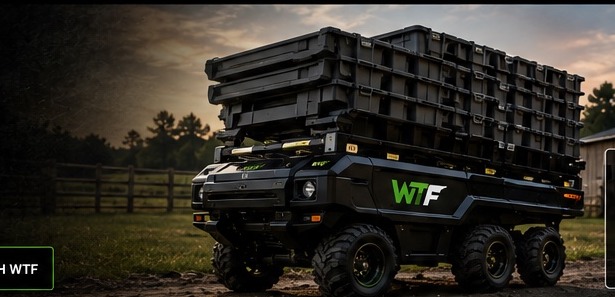 Concept illustration · not manufactured or for sale
You do not need the right words, a polished pitch, or a finished solution. Start with what you actually need.
Bad product. Wasted motion. Ridiculous wait. Broken process. Tell W what happened and what better would look like. You do not need to invent the fix.
Talk to WStart non-confidential. See how WTF thinks, review public concept work, and decide whether there is a fit before anybody shares protected details.
Partner With WTFWTF exists to solve real problems in a way that respects people's time, materials, money, and families. The goal is bigger than building a business: make useful things better and leave less waste behind.
A good idea should survive hard questions before anybody spends real money building it. If it cannot, we change it or kill it.
Separate what actually failed from guesses about why it failed.
Start with what people need, then remove anything that does not earn its place.
Attack cost, safety, usability, repair, competition, and obvious ways the idea could fail.
Keep sensitive details controlled and clearly separate what we know from what still needs outside evidence.
If the idea survives, prepare a clean handoff for qualified people who can engineer, build, test, and manufacture it.
Bad product. Ridiculous wait. Broken app. Stupid workplace process. Store, restaurant, hospital, public service, home system—if something wastes time, money, effort or safety, submit the problem here.
We treat every submission as a lead to investigate—not automatically as a proven fact. Do not send confidential inventions, private medical details or somebody else’s personal information.
Six original WTF concept directions, each driven by a practical problem. All are idea-stage; sensitive technical details and unapproved artwork remain withheld.
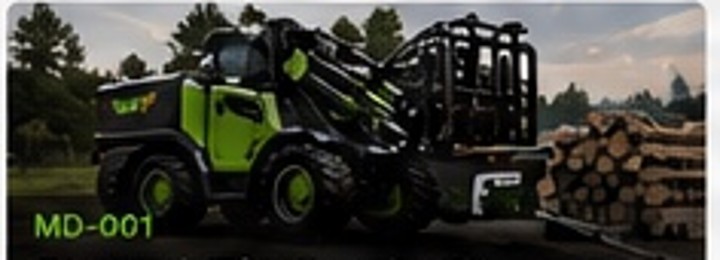 Existing WTF concept illustration · not a manufactured product
What if the bin stayed put—and the carrier came to it?
Every separate pile of brush or mulch can mean another round of hauling. MD-001 explores a compact carrier that could collect, move and empty work bins positioned around a property.
IDEA-STAGE CONCEPT · NOT BUILT OR FOR SALE
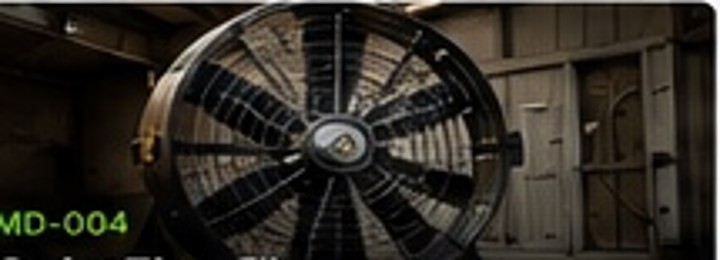 Existing WTF concept illustration · not a manufactured product
The air should move. The maintenance headaches shouldn’t.
QuietFlow explores an outbuilding fan concept designed around easier service and a less intrusive everyday experience, using established motor technology. Airflow, noise and efficiency still need to be measured.
IDEA-STAGE CONCEPT · NOT BUILT OR FOR SALE
No product rendering is shown; this project remains at the concept stage.
Why does a simple flush need a chain reaction?
SureSeal explores a chainless toilet-flush concept aimed at the everyday hassle of adjusting or replacing worn components. Fit, leak resistance, reliability and lifespan remain untested.
IDEA-STAGE CONCEPT · NOT BUILT OR FOR SALE
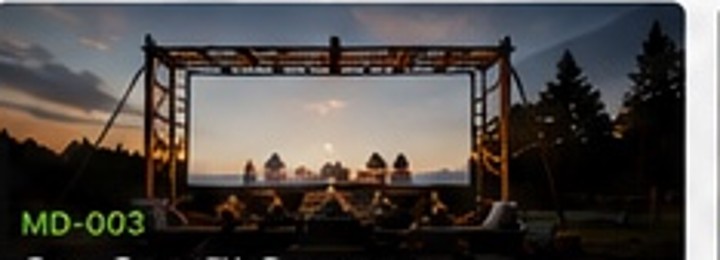 Existing WTF concept illustration · not a manufactured product
What if your backyard was the main event?
SunCast explores a big-screen outdoor viewing concept with daylight visibility, sound, weather and setup on the design checklist. No working screen or streaming compatibility has been demonstrated.
IDEA-STAGE CONCEPT · NOT BUILT OR FOR SALE
No product rendering is shown; this project remains at the concept stage.
Different power sources. One demanding flight mission.
Hybrid aircraft pose a critical question: how might multiple energy sources and reserve needs be coordinated? GuardianPack explores that question at concept level—not as a flight-tested, certified or partner-approved system.
IDEA-STAGE CONCEPT · NOT BUILT OR FOR SALE
No product rendering is shown; this project remains at the concept stage.
When a robot stops, the job isn’t over.
A stopped field robot can trigger recovery, repair and return-to-work decisions. Robot Lifecycle Network explores connecting those steps in one proposed workflow; no operating service network or OEM partnership exists.
IDEA-STAGE CONCEPT · NOT BUILT OR FOR SALE
WTF develops the problem, the concept, and the written direction. Qualified partners handle physical engineering, prototypes, testing, and manufacturing.
An idea can look great on paper and still be wrong. Real feedback and outside evidence decide what deserves to move forward.
The public can understand the problem and the goal without us giving away sensitive mechanics before the right protection and partner are in place.
Easy to use. Built to last. Easier to repair. Worth the money. Better should actually mean better.
WTF is built to help manufacturers and product companies decide what deserves further investment before larger engineering, tooling or production spend.
One bounded remote written review based on public or owner-authorized evidence. The fit request is free. If the evidence can support a useful Stage-1 memo, WTF may propose an exact written scope for a fixed $495 commitment fee. No invoice or work starts from the fit request itself.
Not engineering sign-off, physical testing, legal/IP advice, implementation or guaranteed savings.
We preserve proven manufacturer hardware where it makes sense and concentrate new work where it can create useful differentiation.
Concept targets stay labeled as targets. Engineering, testing, certification and legal/IP opinions remain external gates when required.
Public material explains the problem and outcome. Sensitive mechanisms stay protected until the evaluation and confidentiality path is appropriate.
Research, idea development, written review, documentation, non-confidential partner communication and proposed commercialization happen remotely; physical validation remains an external future gate. Physical engineering, fabrication, prototyping, certification and testing are outside WTF’s in-house scope and require qualified independent partners under separate agreements.
How We CollaborateConcept briefs, illustrative visuals, source-linked research, proposed partner-fit requirements and internal change notes stay documented.
Qualified teams handle CAD, physical prototypes, testing, sourcing and manufacturing work.
If a future partner provides engineering evidence, document the result and reassess the concept before making any new claim.
No sales maze and no pretending the company is something it is not.
Yes. That is exactly what the Problem Line is for. Tell us what is failing, wasting time, costing money, creating hassle, or making something harder than it should be. You do not need to invent the solution.
No. They are idea-stage concepts and public illustrations. Unless a page clearly says otherwise, they are not manufactured products, working prototypes, tested results, or retail offers.
No. WTF develops ideas, written requirements, research, and partner-ready documentation. Qualified outside partners handle engineering, prototypes, physical testing, certification, sourcing, and manufacturing when a project earns those steps.
No. Keep public submissions high-level and non-confidential. Protected mechanisms, drawings, trade secrets, or patent-sensitive details should wait until an appropriate written evaluation or confidentiality process is in place.
WTF treats it as a lead to review, not as proven fact and not as a promise to develop it. We may research the problem, look for repeated evidence, decline it, or decide it deserves a deeper path. Submitting through the site does not create a paid engagement or obligation.